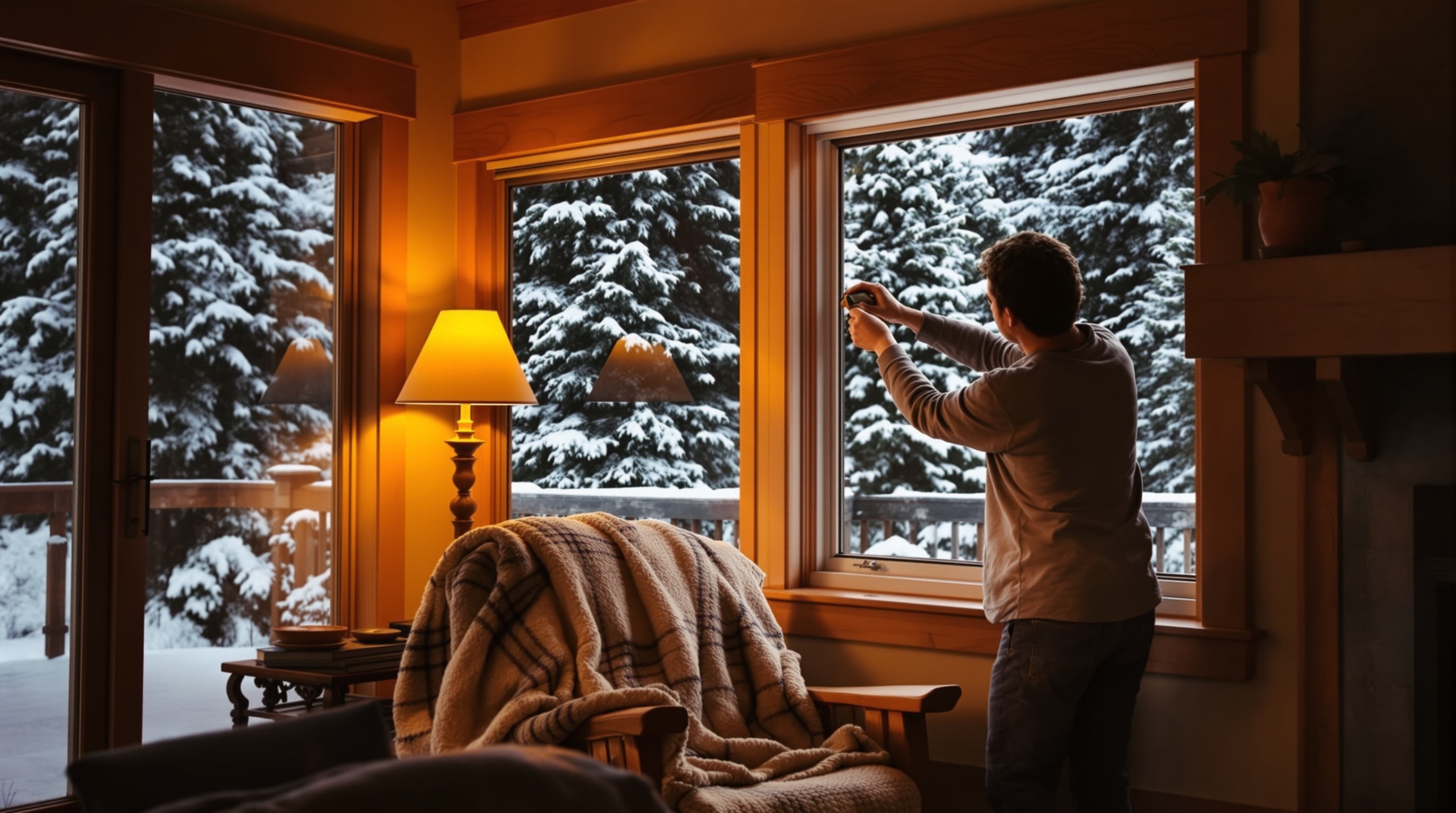
It's tempting to think about home energy one gadget at a time, but the biggest, most durable savings come from treating the house as a system. In the Pacific Northwest, where heating dominates energy use for much of the year, that means getting the building envelope right before — or alongside — upgrading equipment. This guide walks through a sensible order of operations for a more efficient home.
Start With the Envelope
The envelope is everything that separates conditioned space from the outdoors: walls, ceilings, floors, windows, and all the gaps in between. Air sealing — closing the countless small leaks around penetrations, rim joists, and attic hatches — is often the highest-value, lowest-cost improvement. Pair it with adequate insulation in the attic, walls, and floor. A tight, well-insulated shell reduces how much heating and cooling you need in the first place, which makes every other upgrade work better.
Windows and Doors
Windows get a lot of attention, but they're usually a later-stage upgrade because of their cost relative to savings. Where old single-pane windows remain, replacing them with efficient units improves comfort and cuts losses; elsewhere, weatherstripping and storm windows can be cost-effective interim steps. The ENERGY STAR windows guidance helps you compare performance ratings for the Northern climate zone.
Then Upgrade Equipment
Once the envelope is solid, efficient equipment pays off even more. In the Northwest that usually means a heat pump for space heating — including ductless heat pumps for homes without ducts — and a heat pump water heater for domestic hot water. Right-sizing matters: equipment sized for a leaky, uninsulated house will be oversized and less efficient once you've tightened the envelope, so sequence the work thoughtfully.
Don't Forget the Small Stuff
Efficient lighting, smart thermostats, and attention to plug loads round out a home strategy. These measures are inexpensive and add up, and a smart thermostat can complement a heat pump when configured correctly. Behavior matters too — see our guide to behavior-based efficiency for low- and no-cost habits that stretch your savings further.
Finding Help and Incentives
Many Northwest utilities and state programs offer home energy assessments, weatherization assistance, and rebates that can substantially offset costs, with additional support for income-qualified households. A professional home energy assessment is a great first step because it identifies your specific priorities. The U.S. Department of Energy's Weatherization Assistance Program explains the federal help available to income-qualified households, and your utility can point you to local offers.