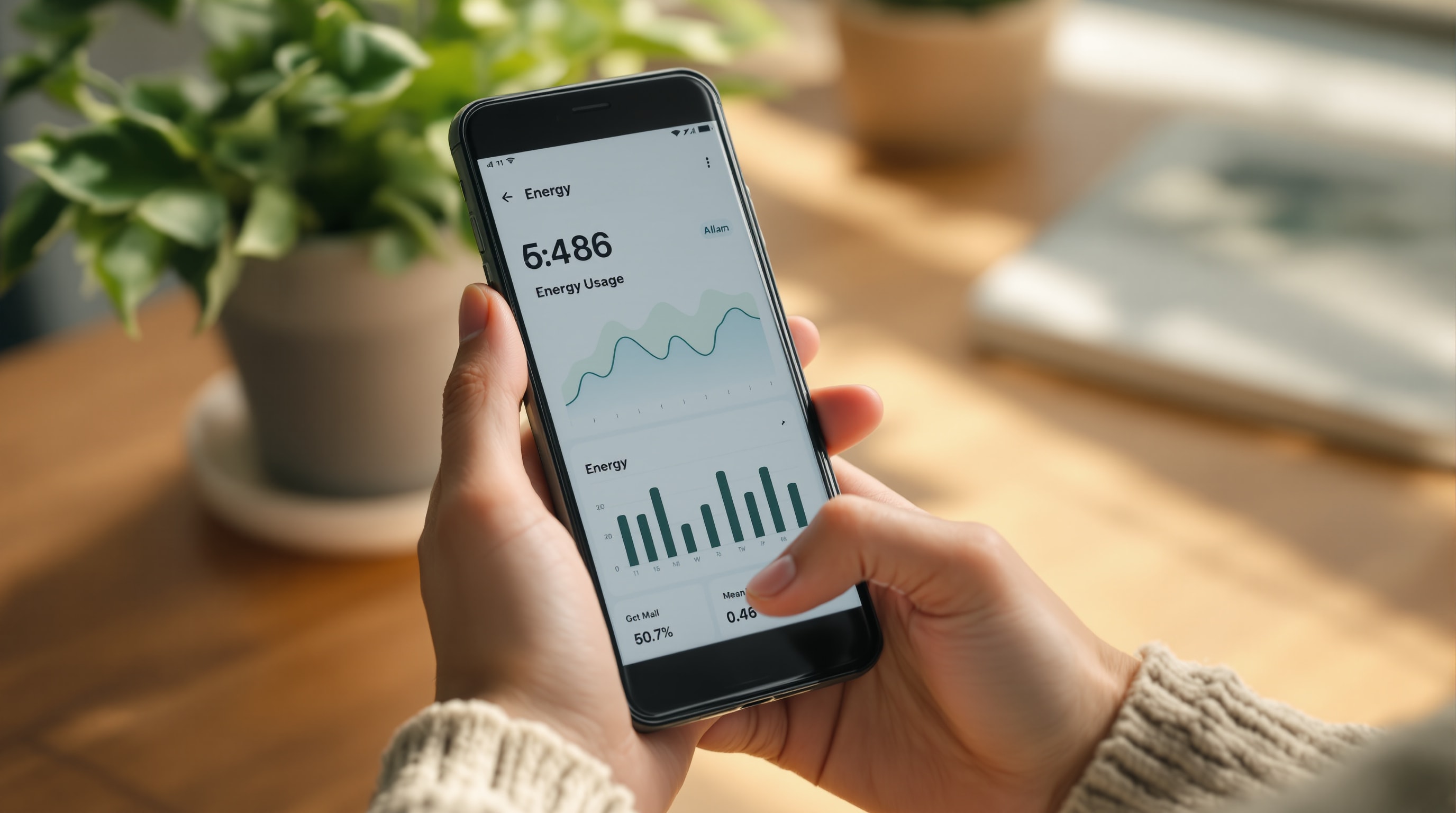
Not every efficiency gain comes from hardware. A significant body of research shows that giving people better information about their energy use — and framing it well — changes behavior and cuts consumption, sometimes by several percent, at very low cost. In the Northwest, behavior-based efficiency became a recognized program area precisely because it complements equipment measures and reaches households that aren't ready for a big retrofit.
Why Behavior Matters
Two identical homes with identical equipment can have very different energy bills depending on how the occupants live: thermostat settings, hot-water habits, laundry and dish schedules, and whether lights and electronics run needlessly. Because these patterns repeat daily, small changes compound. Behavior programs try to make the efficient choice easier and more visible without asking anyone to buy anything.
Feedback and Comparison
One of the most studied approaches is the home energy report, which shows a household its usage over time and compares it — tactfully — to similar nearby homes. This gentle social comparison, grounded in behavioral science, nudges high users toward the norm. Real-time feedback through in-home displays, smart meters, and utility apps works on the same principle: people manage what they can see. ENERGY STAR's Energy Savings at Home guidance offers low-cost ways to save energy.
Defaults, Timing, and Convenience
Behavioral design also works through smart defaults. A programmable or learning thermostat that defaults to efficient schedules captures savings automatically. Time-of-use rate structures encourage shifting flexible loads — laundry, dishwashing, EV charging — to off-peak hours. The common thread is making efficiency the path of least resistance rather than a constant act of willpower.
Strengths and Limits
Behavior programs are inexpensive and scale quickly, but their savings per household are modest and can fade if engagement drops, which is why they're designed for sustained, gentle reinforcement. They work best as a complement to equipment and envelope upgrades, not a replacement. Thoughtful programs measure results rigorously so claimed savings reflect real, persistent change.
Putting It Into Practice
At home, you can capture much of this yourself: set back the thermostat when away and asleep, wash in cold water, run full loads, shift flexible use off-peak, and check your utility's app or reports for insight. Combined with the measures in our residential efficiency guide, good habits make every hardware investment go further.