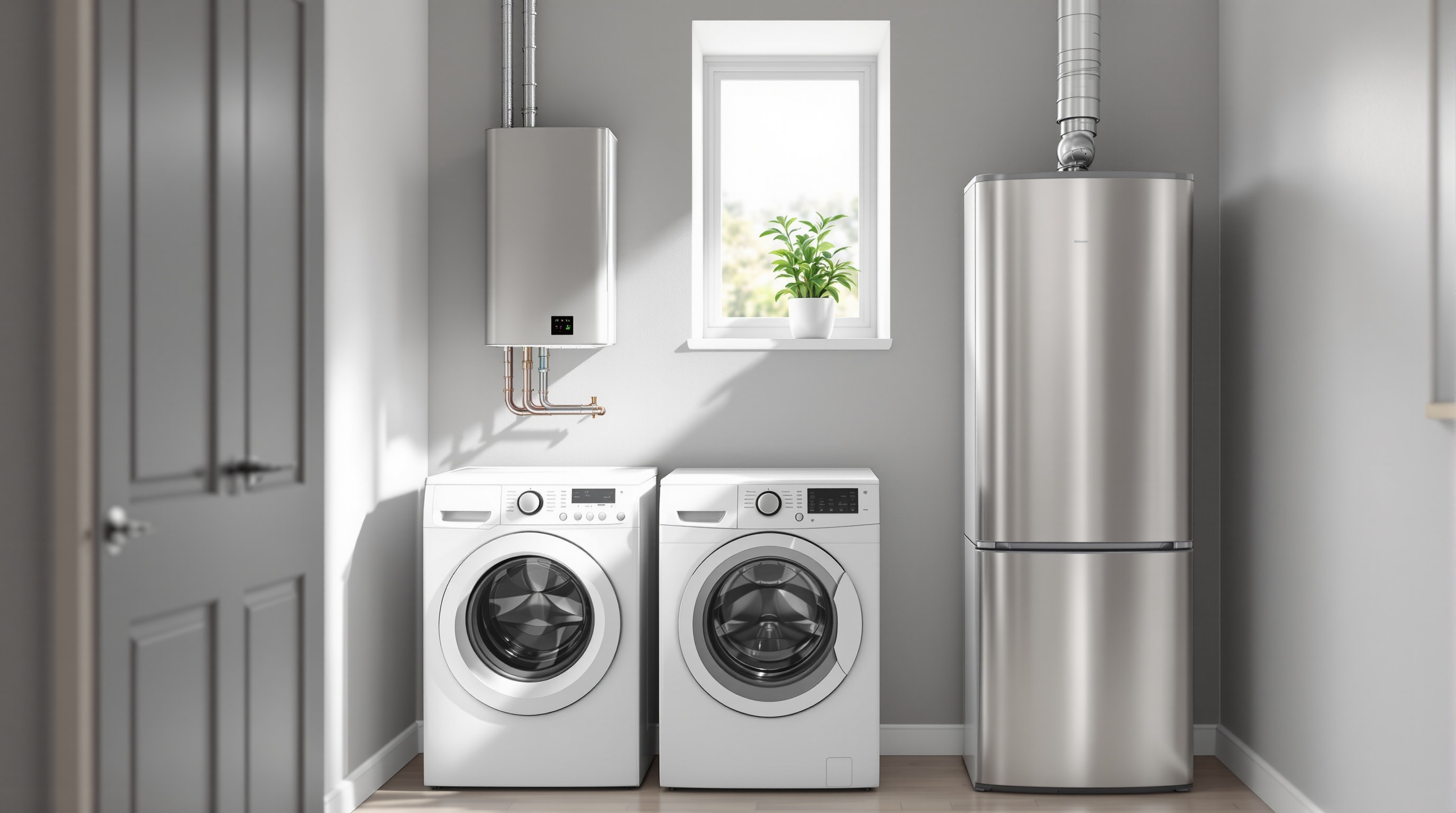
Water heating is one of the largest energy uses in a typical home, and for years it was also one of the least efficient. The heat pump water heater (HPWH) changed that. Instead of generating heat directly with an electric element, it moves heat from the surrounding air into the water tank — using roughly a third of the electricity of a standard electric resistance model. In the Pacific Northwest, HPWHs have become a flagship efficiency measure, and understanding them is a good entry point into the whole field.
How a Heat Pump Water Heater Works
A HPWH uses the same basic refrigeration cycle as your refrigerator, run in reverse. A fan pulls in ambient air, a refrigerant absorbs heat from that air, and a compressor concentrates the heat and transfers it into the water. Because it is moving existing heat rather than creating it, the unit can deliver two to three units of heat for every unit of electricity it consumes. Most models include a backup resistance element for periods of very high demand.
Why They Fit the Northwest
The region's mild, temperate climate suits HPWHs well: garages and basements rarely get cold enough for long to hurt performance, and the units' modest cooling and dehumidifying side-effect is usually welcome in a utility space. Just as importantly, the Northwest's low-carbon hydro grid means the electricity a HPWH uses is relatively clean, so the efficiency gain translates directly into lower regional energy demand. These factors are why regional organizations have invested so heavily in transforming this market.
What to Expect From Installation
A HPWH needs a location with enough air volume — typically a few hundred cubic feet or a louvered closet — and a condensate drain, since it produces water like an air conditioner. It runs a little louder than a conventional tank because of the fan and compressor, so a living-space closet may not be ideal. A qualified installer will size the tank to your household and confirm electrical capacity. Look for models certified by ENERGY STAR, which lists qualifying units and their performance ratings.
Costs, Savings, and Incentives
A HPWH costs more up front than a basic electric tank, but the annual energy savings are substantial — often enough to pay back the difference over the unit's life, especially where incentives apply. Because the Northwest prioritizes this measure, many utilities and state programs offer rebates that meaningfully reduce the net cost. Federal tax credits may also apply. Incentive amounts and eligibility change regularly, so confirm current offers with your utility or state program before buying.
Is It Right for You?
If you heat water with electricity and have a suitable installation space, a heat pump water heater is one of the highest-value efficiency upgrades available in the region. If you currently use natural gas, the decision is more nuanced and depends on rates, fuel switching goals, and local program rules. Either way, ENERGY STAR's guidance on heat pump water heaters is a solid neutral reference as you weigh the choice. For a broader home strategy, see our residential efficiency guide.