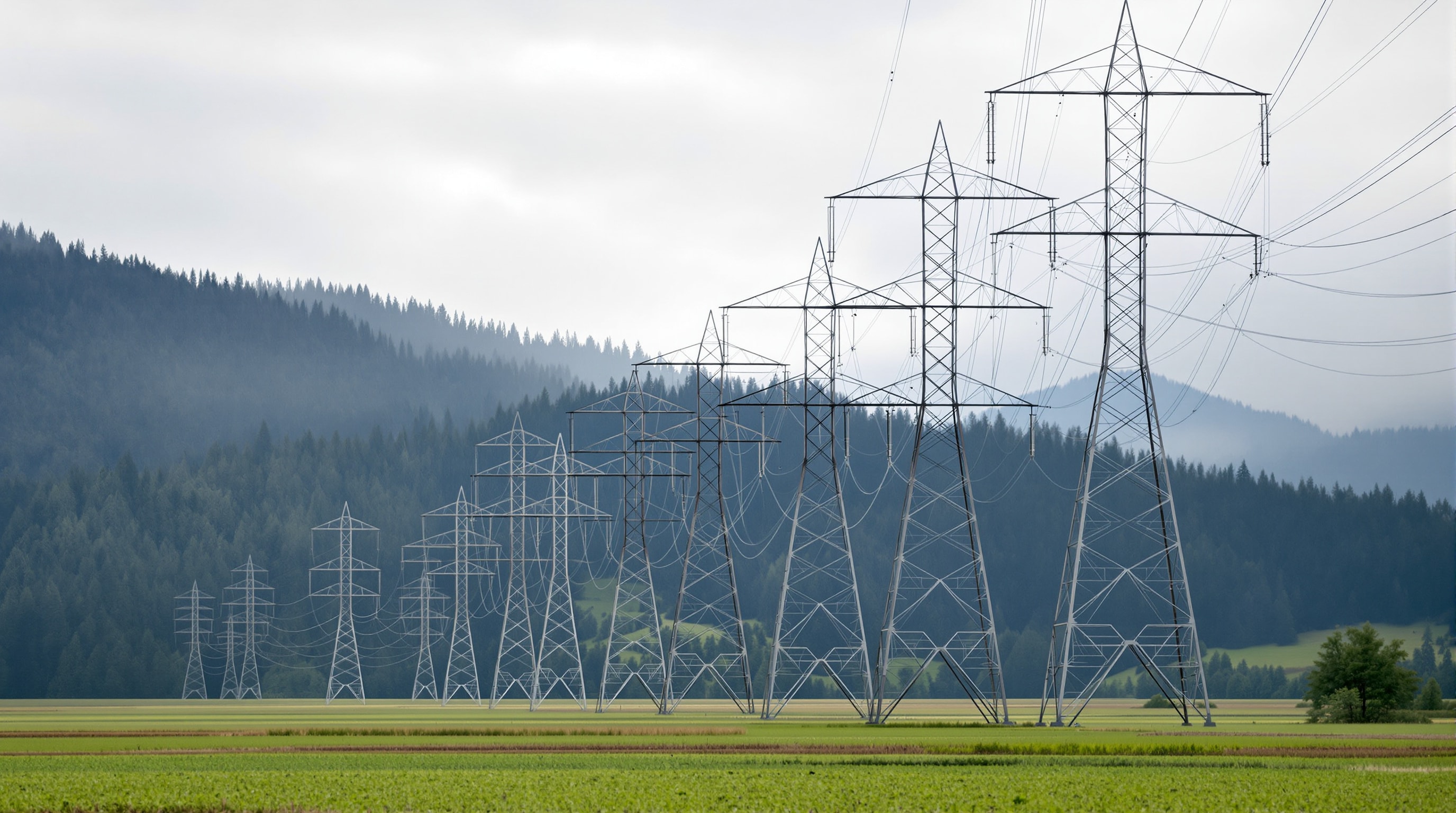
Energy efficiency in the Pacific Northwest is delivered by a web of public agencies, utilities, and nonprofit organizations that has grown up over more than forty years. If you're new to the field, the alphabet soup of acronyms can be bewildering. This guide gives a neutral, high-level map of who does what. Conduit NW is independent and not affiliated with any of these organizations — we simply describe them and link to their official sites so you can go straight to the source.
The Regional Power Framework
The Northwest treats energy efficiency as a planned resource, comparable to generation, under a long-running regional power plan. The Northwest Power and Conservation Council — an interstate body for Oregon, Washington, Idaho, and Montana — develops that plan and has consistently identified cost-effective efficiency as the region's top-priority resource. This framing is why efficiency here is unusually well-funded and coordinated.
Federal Power and Wholesale Programs
The Bonneville Power Administration (BPA) is a federal power marketer that sells wholesale hydropower to many public utilities across the region. BPA funds and coordinates efficiency programs that its customer utilities then deliver locally, and it maintains technical standards used region-wide. Many of the field measures described elsewhere on this site trace back to BPA-supported program design.
Market Transformation
The Northwest Energy Efficiency Alliance (NEEA) is a nonprofit alliance of utilities and other organizations that pursues "market transformation" — shifting entire product markets, like heat pump water heaters or efficient windows, toward more efficient options so that savings persist without perpetual subsidy. NEEA's work sits upstream of individual rebates, influencing manufacturers, distributors, and codes.
State and Utility Program Delivery
Actual rebates and services usually reach you through a state program or your local utility. Energy Trust of Oregon, for example, is an independent nonprofit that delivers efficiency and renewable-energy programs for customers of several Oregon and Southwest Washington utilities. Public and investor-owned utilities across Washington, Idaho, and Montana run their own program portfolios, often built on shared regional technical standards.
The Regional Technical Forum
Behind the scenes, the Regional Technical Forum (RTF) develops and vets the standardized savings estimates that programs use to measure results. When a utility claims a heat pump saves a certain number of kilowatt-hours, that number typically rests on RTF-approved methods. The RTF is why efficiency claims across dozens of Northwest programs are broadly comparable.
How the Pieces Fit
In short: the regional plan sets priorities, BPA and NEEA work at the wholesale and market level, utilities and state programs deliver services to end users, and the RTF keeps the measurement honest. As a resident or business, you'll usually interact with the last layer — your utility or state program — but the whole structure is what makes those local offers possible. To understand the specific measures these programs promote, continue to the guides library.