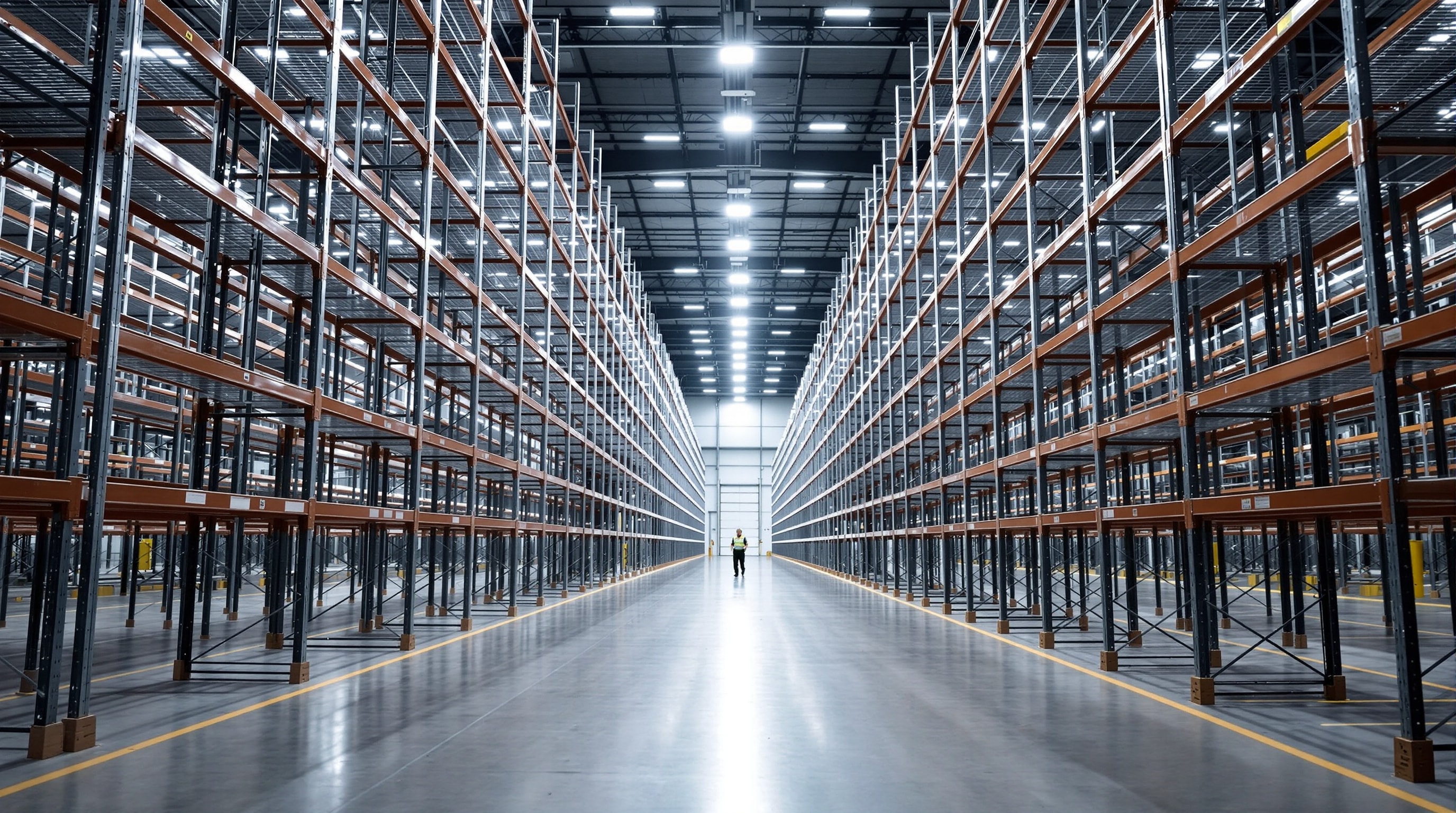
For many Northwest businesses, lighting was the first efficiency project they ever tackled — and for good reason. Lighting can account for a large share of a commercial building's electricity, it runs long hours, and the technology has improved so fast that upgrades often pay back quickly. This guide explains how modern commercial lighting efficiency works and why controls matter as much as the bulbs.
The LED Transition
The shift from fluorescent and high-intensity discharge lighting to LEDs transformed commercial efficiency. LEDs use far less energy for the same light output, last much longer, and hold up well in the cold — an advantage in unheated Northwest warehouses and parking structures. Beyond raw energy savings, longer life slashes maintenance costs, which for high-bay or exterior fixtures can rival the energy savings themselves.
Controls: The Other Half of the Savings
Swapping to LED is only part of the opportunity. Lighting controls — occupancy sensors, daylight dimming, scheduling, and networked control systems — ensure lights are on only when and where they're needed, at the right level. A warehouse aisle that dims when empty, an office that harvests daylight near the windows, or exterior lighting that steps down after hours can add substantial savings on top of the LED upgrade. Controls are where a good retrofit becomes a great one.
Getting the Design Right
More light is not always better. Well-designed retrofits match light levels to the task using recognized guidelines, avoid glare, and improve color quality, which can make workspaces more pleasant and retail displays more appealing. Organizations such as the U.S. Department of Energy's solid-state lighting program publish research on quality and performance that informs good design.
Financing and Incentives
Because commercial lighting savings are large and well-documented, utility and regional programs commonly offer prescriptive rebates per fixture or custom incentives for larger projects, including controls. These offers can shorten payback considerably. Some businesses also use on-bill financing or third-party arrangements to spread costs. As with all incentives, confirm current program rules with your utility before scoping the work.
Planning Your Project
Start with an audit of existing fixtures, hours of operation, and light levels, then prioritize the highest-hour spaces — warehouses, corridors, and exterior lighting — where savings accrue fastest. Bundle controls into the design from the start rather than bolting them on later. For a broader view of building-wide opportunities, see our commercial efficiency guide.