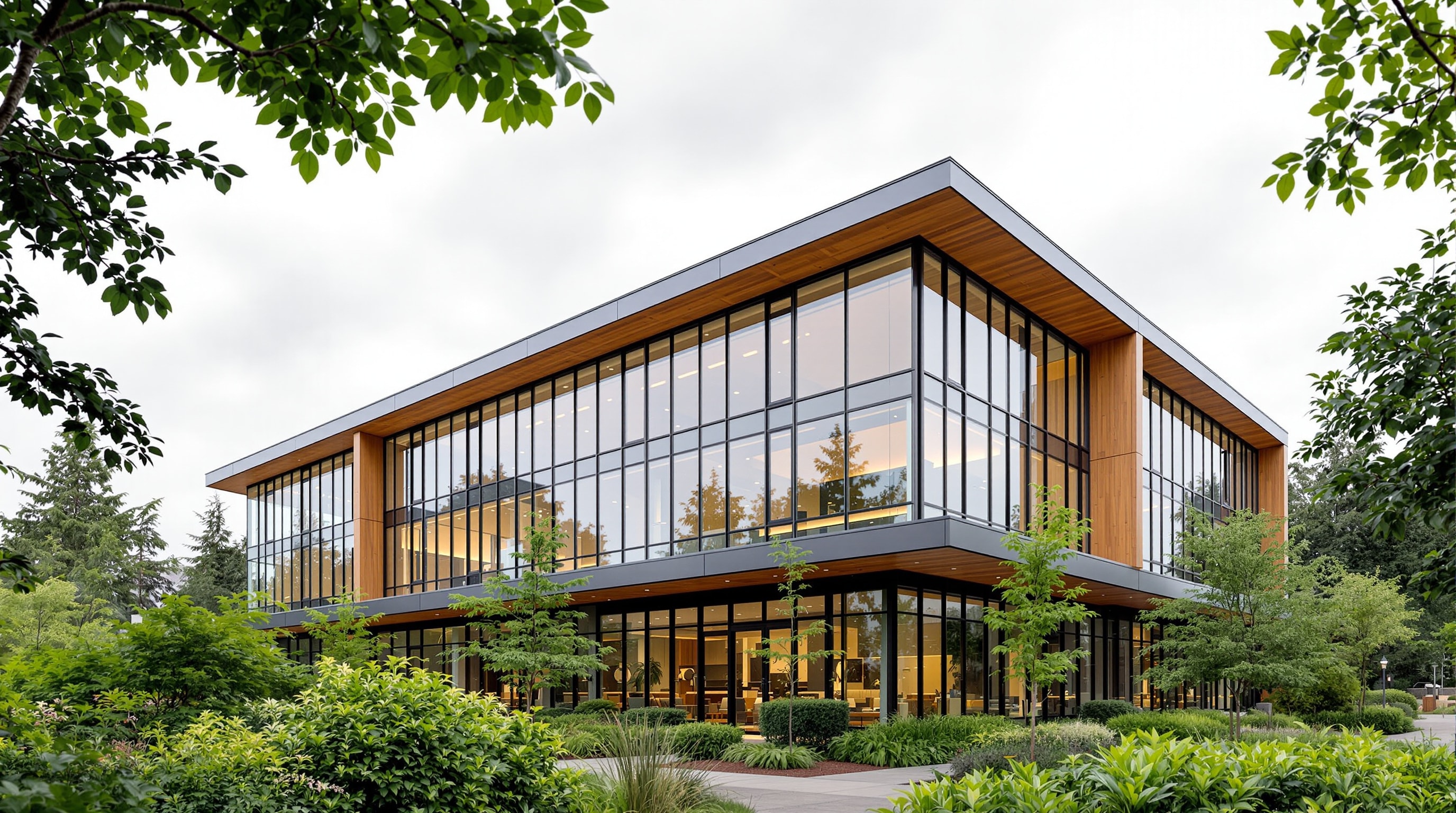
Commercial buildings — offices, retail, restaurants, warehouses, and light manufacturing — use energy in more varied ways than homes, but the path to efficiency follows a recognizable logic. This guide lays out a practical sequence that lets Northwest businesses capture savings without over-investing, starting with information and ending with capital upgrades.
Begin by Measuring
You can't manage what you don't measure. Benchmarking your building's energy use — comparing it to similar buildings using a tool like the EPA's ENERGY STAR Portfolio Manager — tells you whether you have a big opportunity or a well-run building. Sub-metering key systems can reveal where energy actually goes, which is often surprising. Measurement turns vague intentions into a prioritized list.
Capture Low-Cost Operational Savings First
Before spending on new equipment, tune what you have. "Retro-commissioning" — systematically checking that existing HVAC, controls, and schedules work as intended — routinely finds simple problems: systems heating and cooling at the same time, equipment running around the clock, or setpoints drifting over years. Correcting schedules, repairing sensors, and adjusting controls can deliver a meaningful share of a building's potential savings at little cost.
Upgrade the Big Energy Users
With operations tuned, capital upgrades pay off more reliably. Lighting and controls are usually the fastest payback. HVAC upgrades — efficient rooftop units, heat pumps, and better controls — address the largest loads in many buildings. Refrigeration is critical for grocery and food service. Prioritize by hours of operation and energy intensity so your capital goes where it works hardest.
Add Intelligence With Building Controls
Modern building automation and energy-management systems coordinate HVAC, lighting, and other loads, and they make savings persist by catching drift before it wastes energy for months. Even in smaller buildings, smart thermostats and networked lighting controls bring much of the benefit at a fraction of the cost. The point is to lock in efficiency so it doesn't erode over time.
Use Available Support
Northwest utilities and regional programs offer commercial audits, prescriptive rebates, and custom incentives for larger or more complex projects, along with technical assistance that can de-risk decisions. These resources exist precisely because commercial efficiency is a regional priority. Confirm current offers with your utility, and see our programs overview to understand who provides what.